
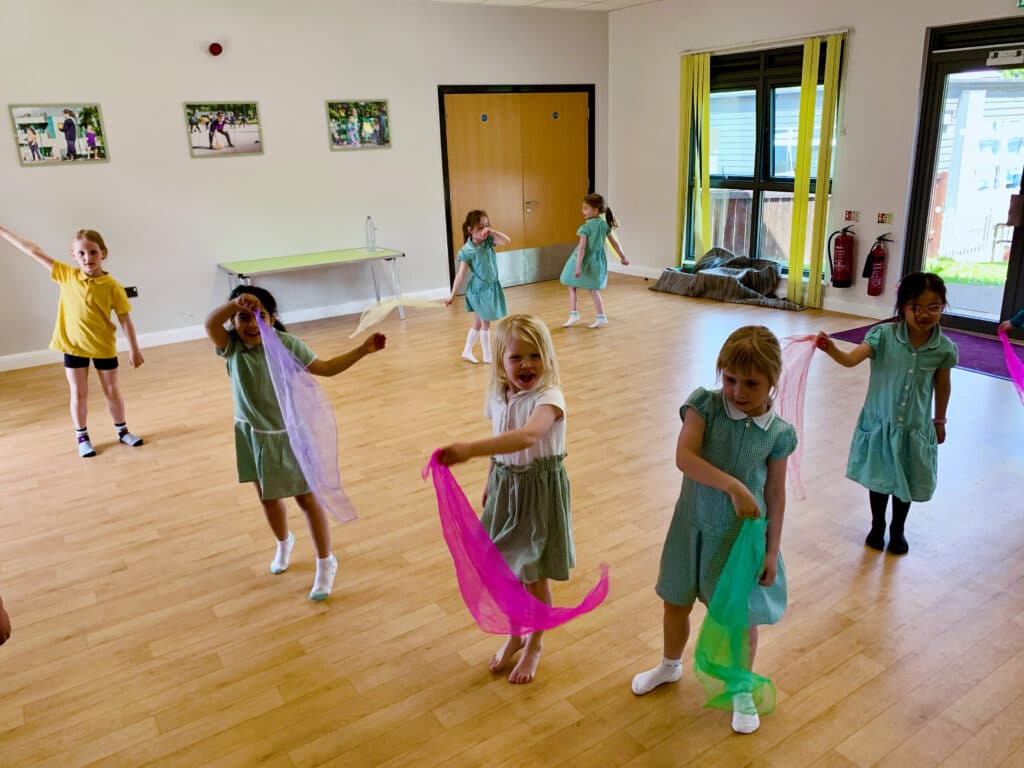
This week, I’ve had the absolute pleasure of delivering dance workshops in local primary schools as part of their Sports Week celebrations — and it’s sparked some brilliant conversations with both children and staff about one important question:
Should dance be considered a sport?
My answer? Absolutely — and here’s why.
Dance is Physically Demanding
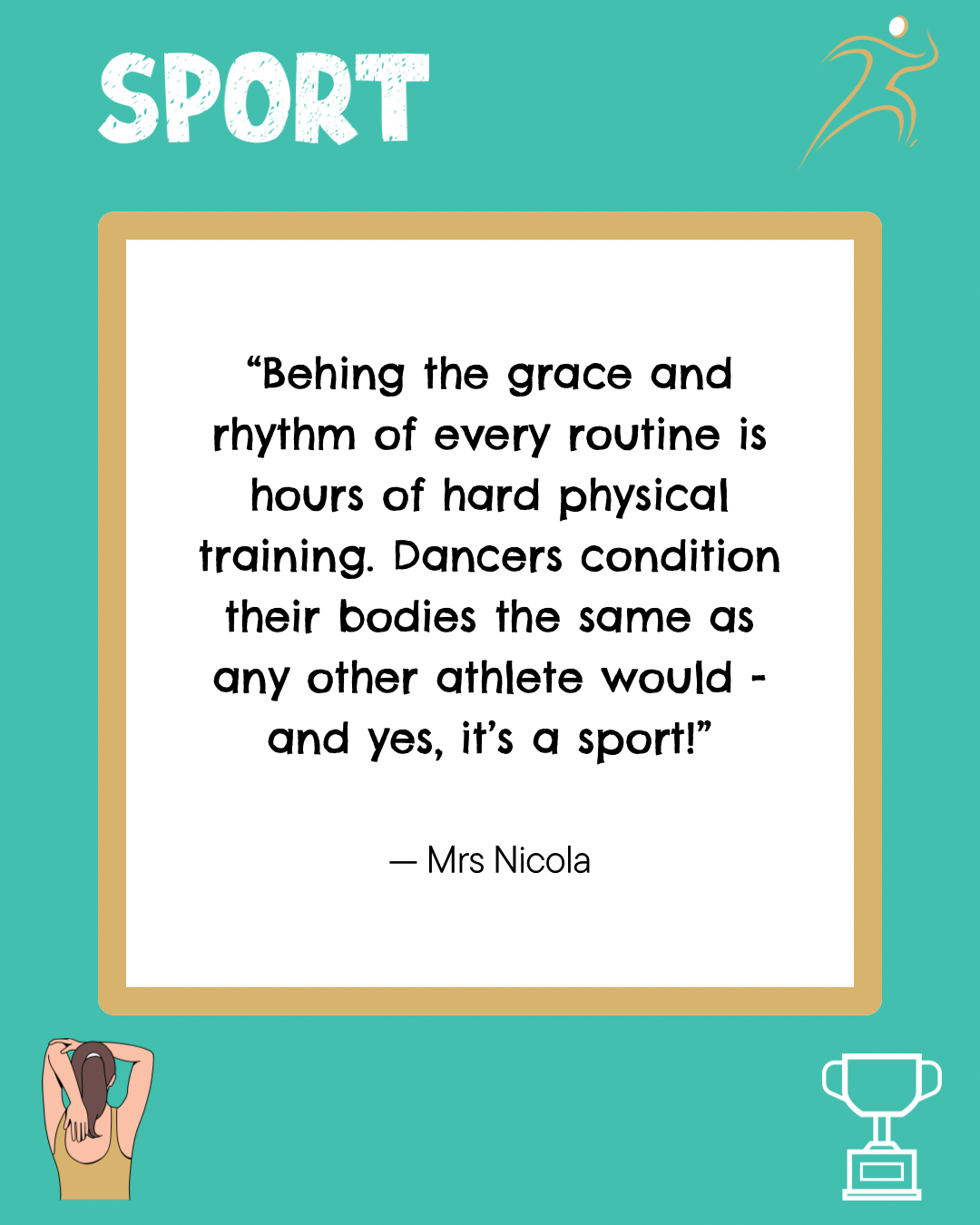
Just like football, athletics, or gymnastics, dance requires physical stamina, coordination, strength, and control. Dancers train for hours to perfect their technique, build core stability, improve flexibility, and develop the muscle memory needed for performance. A high-energy dance class gets your heart rate up, works every muscle group, and demands just as much commitment as any traditional sport.
It Builds Key Athletic Skills
Balance, agility, endurance, spatial awareness, and teamwork — these are all skills we associate with sport, and every one of them is central to dance. Through choreography, dancers learn to respond quickly, remember sequences, and adapt their movement in sync with others. These are not only vital for performing on stage but are transferable to many other sports and physical activities too.
Competition and Discipline
While dance is often celebrated for its artistry, it’s also highly competitive. Dancers train for exams, festivals, competitions, and auditions — and success requires discipline, mental focus, and resilience. They learn to take feedback, set goals, and push themselves — just like young athletes do in competitive sport.
It Encourages a Lifelong Love of Movement
Not every child connects with team games or ball sports — and that’s okay. Dance offers an inclusive, expressive alternative that still promotes fitness, well-being, and personal achievement. Whether it’s hip hop, musical theatre, ballet, or street styles, there’s a form of dance that can spark joy in almost every child — helping them discover a lifelong love for movement and physical expression.
Championing Dance in Schools
Bringing dance into Sports Week helps broaden children’s understanding of what it means to be active and healthy. It opens the door for different kinds of learners and movers to shine. At Pixie Studios, we’re passionate about showing that performing arts doesn’t just build confidence and creativity — it also builds strong, capable, and resilient bodies.
I’ve absolutely loved watching children light up during our workshops this week — especially those who may not normally feel confident in a sports setting. Giving them the chance to move in new ways, express themselves, and feel proud of their physical ability is what dance is all about.
So yes — dance is a sport. And it’s a powerful, joyful, and essential part of any well-rounded PE curriculum.
Dream Big – Fly High – Dance Proudly